
Are you ready to unlock the secret to selling your home swiftly and lucratively? In today’s fast-paced real estate market, achieving a quick and profitable sale requires expert know-how. Welcome to the ultimate guide that will empower you with innovative strategies to not only sell your house fast but to do so with maximum gain.
Picture this: a streamlined home that captivates potential buyers, competitive pricing that makes your property irresistible, and a marketing plan that sets your listing apart. By the end of this guide, you’ll be equipped with all the tips and techniques you need to make your selling journey smooth and successful!
Preparing Your Home for a Fast Sale
When it comes to selling your home swiftly and profitably, first impressions are paramount. Transform your property into a buyer’s dream by focusing on key preparation strategies that maximize appeal.
Creating an inviting atmosphere can significantly impact the speed and value of a sale. From strategic staging to essential repairs, every detail counts in showcasing your home’s full potential.
Effective Home Staging Techniques
Home staging is a powerful tool to highlight your home’s strengths. By arranging furniture and decor to enhance the space, you can create a warm, welcoming environment that appeals to prospective buyers. Consider minimalistic, yet tasteful arrangements to allow buyers to envision themselves living in the space. Use neutral colors to provide a blank canvas that accentuates your home’s best features.
Checklist for Essential Home Repairs
Ensuring your home is in top condition is critical to avoid turning away potential buyers. Focus on fixing what’s most visible and necessary to create a great first impression.
- Repair leaking faucets and fix plumbing issues.
- Patch up holes or cracks in walls and ceilings.
- Replace broken tiles and repair damaged flooring.
- Ensure all lights and electrical outlets are functioning.
- Service heating and cooling systems.
Enhancing Curb Appeal for a Better Impression
The exterior of your house is the first thing potential buyers see, so make sure it’s inviting. A well-maintained exterior can entice buyers to explore further.
- Mow the lawn and trim hedges for a neat look.
- Power wash driveways and walkways for a fresh appearance.
- Update your front door with a new color or hardware.
- Add potted plants or flowers to enhance the entrance.
- Ensure the house number is clearly visible and stylish.
How to Declutter and Depersonalize Your Space
Streamlining and simplifying your home’s interior can help buyers visualize their own lives in the space.
“Less is more when it comes to staging your home for the market.”
Remove personal items and unnecessary clutter to create a blank slate.
- Clear countertops and surfaces for a spacious look.
- Pack away personal photos and memorabilia.
- Organize closets to demonstrate ample storage space.
- Limit decorative items to a few strategic pieces.
- Consider renting storage for excess furniture and belongings.
Pricing Your Home Competitively
Setting the right price for your home is crucial to attracting buyers swiftly while maximizing your profit. It’s an art that combines market research, strategy, and a touch of intuition.
Understanding your local market trends and assessing your home’s true value can make or break your sale. Let’s dive into effective methods to achieve that perfect price point.
Assessing Local Market Trends
Start by immersing yourself in local market analysis. Keep a keen eye on recent sales in your neighborhood, paying attention to homes similar to yours in size, age, and condition. This comparison will give you a realistic baseline for what buyers are willing to pay right now. Harness online real estate platforms like Zillow, Redfin, and Realtor.com to get a snapshot of market dynamics and see how your property stacks against others.
Setting a Competitive Price Point
With the data at hand, determine a competitive price point that reflects the current market conditions and the unique features of your home. While it’s tempting to maximize your asking price, a more strategic approach can lead to a faster sale. Consider professional appraisals or consult with local real estate experts who can provide deeper insights into pricing strategies tailored to your area.
Pricing Strategies: Underpricing vs. Overpricing
Choosing between underpricing and overpricing depends largely on your goals and timeframes. Here’s a quick comparison:
| Strategy | Benefits | Risks |
|---|---|---|
| Underpricing | Generates interest, creates bidding wars | Potentially lower final sale price |
| Overpricing | Room for negotiation, higher initial offers | Longer time on market, may deter buyers |
Regardless of your chosen strategy, remember what a wise broker once said:
“Price it right to spark delight!”
Tools to Evaluate Home Value
Utilize a variety of online tools to refine your pricing strategy. Automated valuation models (AVMs) like Zestimate or Redfin Estimate offer quick insights, but always cross-reference with more tailored reports from platforms like Trulia or local MLS databases. For a personal touch, engage with local real estate agents who offer complimentary market analyses to hone in on the perfect price.
Marketing Your Property Effectively
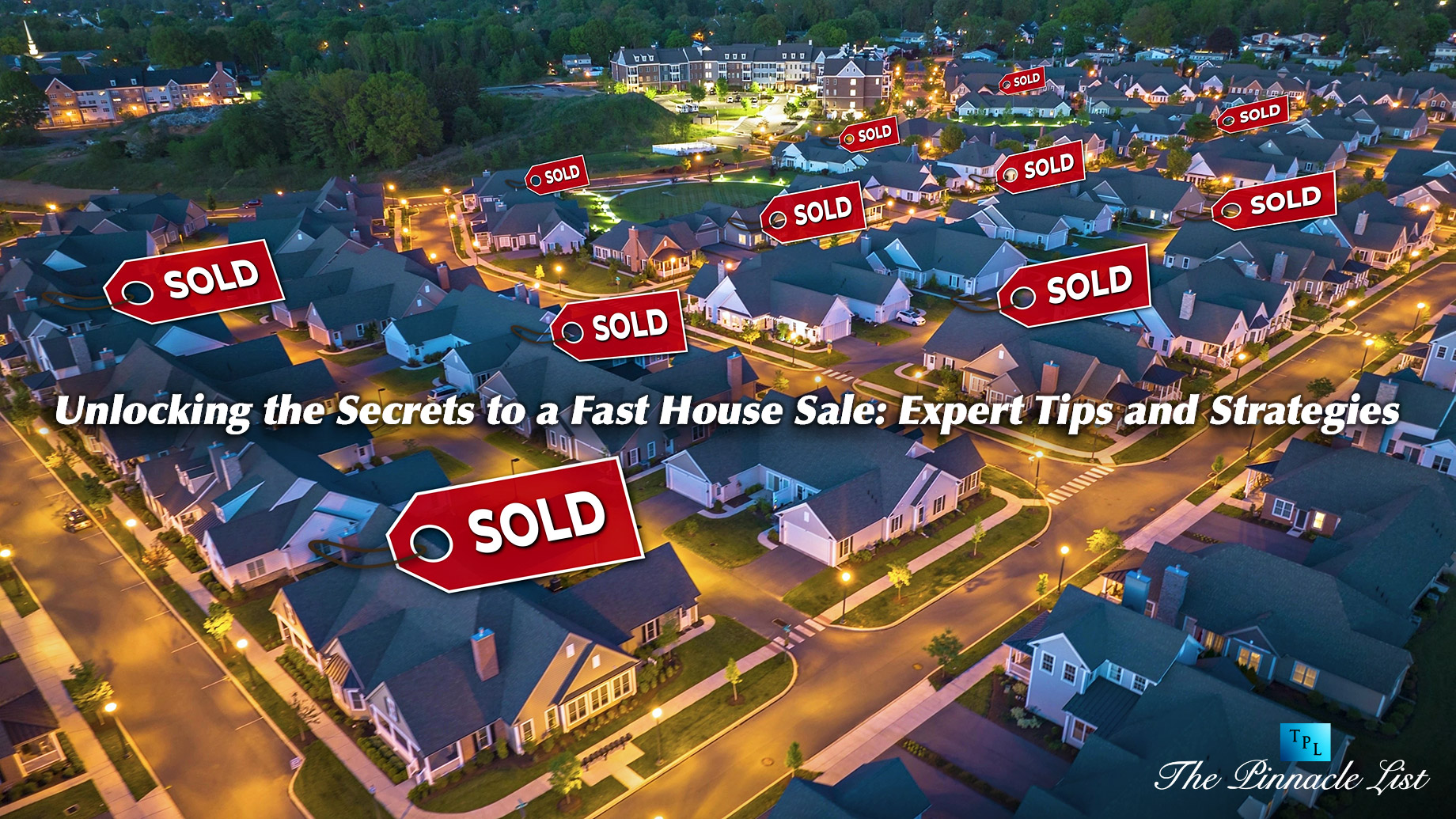
In the competitive real estate market, how you present your property can make all the difference. Effective marketing strategies are essential to ensure your home is noticed by potential buyers and stands out above the rest.
From leveraging social media platforms to crafting a captivating property listing, the way you market your property can significantly influence its sale speed and price.
Leveraging Social Media Platforms
Social media has revolutionized how we connect and communicate, providing a powerful platform for property marketing. By strategically utilizing these channels, you can reach a broad audience with minimal cost. First and foremost, identify the platforms where your target buyers are most active. Facebook and Instagram are particularly effective for real estate due to their visual nature and extensive user base.
- Utilize Facebook’s Marketplace and Groups to share your listing.
- Post engaging stories and reels on Instagram to increase visibility.
- Engage with local community pages and real estate forums to boost organic reach.
Crafting an Enticing Property Listing
Your property listing is your chance to tell the story of your home. It’s more than just a set of details—it’s an invitation for someone to envision their life in that space. Start with a compelling headline that highlights the most attractive features. Follow with a well-structured description that covers all key aspects, using descriptive language to paint a picture of the lifestyle your property offers.
Consider the following for an effective listing:
“A cozy two-bedroom downtown condo with breathtaking city views and modern amenities, perfect for urban dwellers.”
Impact of Professional Photography
First impressions matter, especially in real estate. Professional photography can dramatically enhance your property’s appeal by highlighting its best features and creating an emotional connection with potential buyers. Quality images can paint a vivid picture, making your home much more enticing.
| Amateur Photography | Professional Photography |
|---|---|
| Dark, unflattering angles | Bright, spacious views |
| Limited detail | Sharp details with enhanced focus |
The Role of Virtual Tours in Attracting Buyers
Virtual tours are becoming a staple in modern real estate marketing, especially in an era where convenience and accessibility are paramount. They allow potential buyers to explore your property from the comfort of their own home, providing a comprehensive view that photos alone cannot offer. A well-executed virtual tour can simulate the experience of an in-person visit, making it a powerful tool to attract serious buyers quickly.
Invest in a high-quality virtual tour to highlight your home’s layout and special features, ensuring you capture the attention of those who may be unable to attend an open house.
Negotiation Tactics for Sellers
Embarking on the journey of selling your home can feel like navigating a vast ocean, where negotiation serves as your trusted compass. Mastering the art of negotiation not only positions you advantageously but also ensures a smoother, swifter sale.
Understanding the dynamics of negotiation is essential in securing the best deal for your property. Here, we uncover powerful techniques to help you navigate offers with grace and strategic acumen.
Handling Multiple Offers with Precision
Receiving multiple offers is a seller’s dream scenario, but it requires tactical brilliance to manage effectively. Approach this situation by assessing each offer’s strengths, not just the price. Consider the buyer’s financial stability, their willingness to comply with your timeline, and any contingencies attached to their offer. Creating a
comparison chart
can be instrumental in visually evaluating each offer:
| Offer # | Price | Contingencies | Closing Date | Buyer Qualifications |
|---|---|---|---|---|
| 1 | $350,000 | None | 30 Days | Pre-approved |
| 2 | $355,000 | Inspection | 45 Days | Pre-qualified |
| 3 | $348,000 | Financing | 60 Days | All cash |
When wielding multiple offers, leverage one against another to enhance your bargaining power. Let potential buyers know they are in a competitive situation, nudging them to put their best foot forward.
Strategizing Negotiations with Potential Buyers
To seal the deal with potential buyers, adopt a strategy of collaborative negotiation. This involves engaging in open, honest dialogue that seeks a win-win outcome. Ask probing questions that reveal the buyer’s motivations and needs. Understanding the buyer’s priorities enables you to tailor your counteroffers beneficially for both parties.
Consider employing phrases like,
“What can we adjust in this offer to make it mutually satisfying?”
This demonstrates your willingness to accommodate while ensuring your fundamental needs are met.
Responding Effectively to Lowball Offers
Encountering a lowball offer can be disheartening, but it’s an opportunity to assert your property’s value. Rather than dismissing a low offer outright, respond with a counteroffer that reflects the true worth of your home, backed by market data and recent comparable sales. Educate the buyer on why your asking price is justified, emphasizing unique features and recent improvements.
An effective response might include,
“While I appreciate your offer, recent comparable sales in the area support a higher price point due to [list specific home features or improvements].”
This approach leaves room for negotiation while standing firm on your expectations.
Maintaining a Strong Negotiation Position
The key to maintaining a robust negotiation stance lies in confidence and preparedness. Enter negotiations armed with a comprehensive understanding of your local real estate market, recent sales data, and a clear vision of your bottom line. A steadfast demeanor, combined with flexibility on minor terms, can often lead to a favorable agreement.
Remember, the power of negotiation lies not just in your words but in your ability to listen and adapt. By staying informed and flexible, you ensure that your home sale journey is both swift and profitable.
Navigating Legal and Financial Aspects
Embarking on the journey to sell your home isn’t merely about the curb appeal or the right price. The maze of legal and financial aspects can often seem daunting. However, understanding these intricacies can transform your selling experience into a seamless process.
The legal and financial framework surrounding a property sale involves various documents, costs, and expert roles, all of which are crucial to ensure a smooth transaction.
Key Documents Needed for a Property Sale
Successfully selling your home requires a comprehensive collection of documents. These papers not only convey ownership but also provide peace of mind to buyers. Here’s a list of essential documents:
- Title Deed: Proof of ownership and a clear title are pivotal.
- Property Tax Receipts: Demonstrates that all taxes have been duly paid.
- Homeowners Association (HOA) Documents: If applicable, these artikel rules and financial obligations.
- Sales Agreement: This legally binding contract artikels terms and conditions agreed upon by both parties.
- Property Disclosure Statement: A document that provides transparency about the property’s condition and history.
Process of Property Appraisal and Inspection
Before setting a price or even listing your home, it’s vital to understand its market value and condition through an appraisal and inspection.
A property appraisal involves a qualified appraiser evaluating your home’s worth based on location, condition, and comparable sales. This appraisal ensures your pricing is competitive yet realistic.
An inspection delves into the structural integrity of your home, spotlighting potential issues that could affect the sale. Addressing these findings proactively can prevent future negotiations from faltering.
Guidance on Closing Costs and Fees
Navigating the final stages of a home sale involves more than just a handshake and a check. The closing process entails various costs that sellers should anticipate:
- Title Insurance: Protects against future disputes over ownership.
- Escrow Fees: Covers the cost of a neutral third-party managing the transaction.
- Transfer Taxes: These are state-specific taxes incurred when transferring the property title.
- Recording Fees: A small but essential fee for registering the property sale with the local government.
Role of Real Estate Agents in Legal Processes
Real estate agents serve as invaluable allies in the legal landscape of selling your home. They bring expertise and industry know-how to the table, ensuring legal processes are handled smoothly.
Agents facilitate the preparation and review of contracts, ensuring all legal terms are clear and fair. They also coordinate with attorneys, inspectors, and title companies to streamline the process. Not only do they handle negotiations, but they also manage compliance with local and state property sale laws, safeguarding your interests throughout the transaction.
Engaging a real estate agent can be the key to unlocking a successful and legally sound home sale journey.
Leveraging Technology and Tools
In the modern real estate market, technology has become an invaluable ally for sellers looking to expedite their property sales. From online platforms to digital contracts, embracing these tools can streamline your process and maximize your returns.
Let’s dive into how you can leverage technology and tools to enhance your selling strategy, ensuring every step, from listing to closing, is as efficient and effective as possible.
Online Tools for Selling Homes
Utilizing online platforms can significantly enhance your reach and streamline the selling process. Here’s a comparison of some popular tools:
| Tool | Description | Features |
|---|---|---|
| Zillow | A comprehensive real estate marketplace | Virtual tours, Zestimate pricing, agent finder |
| Realtor.com | Official site of the National Association of Realtors | MLS listings, market insights, open house management |
| Redfin | Real estate brokerage offering full-service agents | Instant updates, competitive pricing tools, tour scheduling |
Utilize Real Estate Apps Effectively
Harnessing the power of mobile apps can keep you connected and informed at all times. With real estate apps, you can:
- Stay Updated: Receive instant notifications on market changes and new buyer interests.
- Manage Listings: Easily update your property information and photos on-the-go.
- Communicate Seamlessly: Chat with potential buyers and agents directly through the app.
Benefits of Digital Contracts and e-Signatures
Digital contracts and e-signatures can eliminate the hassle of paperwork and speed up transactions. The benefits include:
- Efficiency: Reduce the time spent printing, signing, and scanning documents.
- Security: Ensure your documents are safely stored and protected with encryption.
- Convenience: Sign contracts from anywhere, without the need for physical presence.
Embracing digital solutions can dramatically simplify your property sale process.
Track and Manage Leads Using CRM Software
Customer Relationship Management (CRM) software is a powerful tool for sellers who want to keep track of potential buyers effectively. Here’s how it aids in managing leads:
- Centralized Database: Store all buyer information in one easy-to-access location.
- Lead Scoring: Identify the most promising leads based on their interactions and interest levels.
- Automated Follow-ups: Schedule reminders and follow-up emails to stay engaged with potential buyers.
Final Summary
Congratulations! You’ve now unlocked the secrets to selling your house with speed and profit. Armed with these expert strategies, you’re ready to transform a daunting task into a rewarding adventure. Remember, each step you take brings you closer to that perfect sale, and your dream buyer is just around the corner. Let’s make your home-selling journey not just swift but exceptionally rewarding!

